

Living with PCOS can sometimes feel like your body is speaking in a language you were never taught.
One day your energy crashes by 3pm. Another day you feel hungry soon after eating. You may experience intense sugar cravings, irregular cycles, stubborn weight changes, skin flare-ups, or a sense that your hormones are constantly one step ahead of you.
If this sounds familiar, blood sugar may be one of the most helpful places to begin.
Not because blood sugar explains everything about PCOS. It does not. PCOS is complex, personal and different for every woman. But for many people with PCOS, insulin resistance and blood sugar fluctuations can play an important role in how they feel day to day — influencing energy, cravings, appetite, metabolic health and, for some, reproductive wellbeing. NICE advises that women with PCOS should be informed about longer-term risks including type 2 diabetes and cardiovascular disease, and encouraged towards healthy lifestyle and weight management where appropriate.
This article is not about restriction, blame or trying to “fix” your body overnight. It is about finding a steadier rhythm — one meal, one snack, one daily habit at a time.
First, what does blood sugar have to do with PCOS?
When you eat carbohydrates, your body breaks them down into glucose, which enters your bloodstream. In response, your pancreas releases insulin, a hormone that helps move glucose from your blood into your cells, where it can be used for energy.
In an ideal rhythm, blood sugar rises gently after eating, insulin does its job, and your energy stays relatively steady.
But with insulin resistance, the body’s cells become less responsive to insulin. The pancreas may then produce more insulin to try to keep blood sugar under control. Insulin resistance is commonly associated with PCOS and can affect metabolic and reproductive features of the condition. The 2023 International Evidence-Based Guideline for PCOS includes metabolic, reproductive, lifestyle and psychological care as part of best-practice management.
This can show up in ways that feel very familiar:
- Energy crashes, especially mid-morning or mid-afternoon
- Feeling hungry soon after eating
- Strong cravings for sweet or starchy foods
- Difficulty feeling full
- Brain fog
- Weight changes that feel hard to influence
- Irregular cycles or signs of disrupted ovulation
Not everyone with PCOS experiences insulin resistance in the same way. Some women may have very clear blood sugar symptoms; others may only discover metabolic changes through testing. Either way, supporting stable blood sugar is one of the most practical, body-respecting foundations for PCOS car
Blood sugar support is not about restriction. It is about helping your body find a steadier rhythm.
The goal is not “perfect blood sugar”
Let’s take the pressure off.
The goal is not to avoid carbohydrates forever. It is not to eat perfectly. It is not to turn every meal into a maths equation.
The goal is to help your body avoid big peaks and dips where possible. Those sharper rises and crashes can leave you feeling tired, irritable, hungry or caught in a craving cycle. Dietetic guidance for PCOS often recommends regular, balanced meals and lower-GI carbohydrate choices to help support steadier blood sugar and reduce insulin resistance.
Think of blood sugar support as rhythm rather than restriction.
A steadier rhythm might look like:
- Eating enough protein at breakfast
- Pairing carbohydrates with fibre, fat or protein
- Choosing slower-release carbs more often
- Avoiding long gaps that leave you ravenous
- Creating a supplement routine you can actually stick to
- Moving your body in ways that feel supportive, not punishing
Small choices, repeated often, can have a meaningful effect on how your body feels.
The PCOS plate: protein, fibre, colour and steady carbs
One of the simplest ways to support blood sugar is to build meals with four parts in mind:
Protein + fibre-rich plants + healthy fats + slow-release carbohydrates.
This does not need to be complicated. It does not require a special diet plan. It simply means giving your body more than a quick hit of carbohydrate on its own.
1. Start with protein
Protein slows digestion, supports fullness and helps reduce the likelihood of a sharp blood sugar rise after eating.
Good options include:
- Eggs
- Greek yoghurt
- Tofu or tempeh
- Chicken or turkey
- Fish
- Lentils, beans and chickpeas
- Cottage cheese
- Protein-rich smoothies
- Nuts and seeds as an add-on
For breakfast especially, protein can make a noticeable difference. Many people with PCOS find that a sweet, low-protein breakfast leads to cravings later in the day. A more balanced breakfast can help create a steadier start.
Try:
- Scrambled eggs with avocado and wholegrain toast
- Greek yoghurt with berries, chia seeds and nut butter
- Tofu scramble with spinach and mushrooms
- Protein oats with flaxseed and cinnamon
- A smoothie with protein, berries, greens and almond butter
The shift does not have to be dramatic. Even adding Greek yoghurt to fruit, or seeds to porridge, can change how the meal lands in your body.
2. Add fibre wherever you can
Fibre is one of the most underrated tools for PCOS nutrition. It helps slow the absorption of glucose, supports gut health and contributes to fullness.
Fibre-rich foods include:
- Vegetables
- Berries
- Apples and pears
- Lentils
- Chickpeas
- Beans
- Oats
- Quinoa
- Chia seeds
- Flaxseed
- Nuts
- Wholegrains
A helpful rule: add before you subtract.
Instead of starting with “What do I need to cut out?”, ask:
“What could I add to make this meal more supportive?”
Add spinach to eggs. Add lentils to soup. Add berries to yoghurt. Add seeds to porridge. Add beans to a salad. Add vegetables to pasta.
This approach feels kinder, more realistic and much easier to maintain.
3. Choose carbohydrates that work harder for you
Carbohydrates are not the enemy. For many women, cutting them too aggressively can feel stressful, unsustainable and joyless.
The more helpful question is: what kind of carbohydrates support steadier energy?
Lower-GI and higher-fibre carbohydrates are often recommended in PCOS dietary guidance because they tend to raise blood sugar more gradually than highly refined options.
Supportive options include:
- Oats
- Sweet potato
- Brown rice
- Quinoa
- Lentils
- Chickpeas
- Beans
- Wholegrain bread
- Rye bread
- Buckwheat
- Barley
- Berries
- Apples and pears
This does not mean you can never have white bread, pasta, cake or dessert. It means your everyday pattern does most of the work, while still leaving room for pleasure, flexibility and real life.
A PCOS-supportive way to eat pasta, for example, might be:
- Pasta
- Plus chicken, tofu, prawns or lentils
- Plus olive oil or pesto
- Plus a large serving of vegetables
- Plus a side salad
Same food. Different blood sugar impact.
4. Do not forget healthy fats
Healthy fats help slow digestion and support satisfaction after meals.
Try adding:
- Avocado
- Olive oil
- Nuts
- Seeds
- Tahini
- Nut butter
- Oily fish
- Olives
A slice of toast on its own may leave you hungry quickly. Toast with eggs, avocado or nut butter is more likely to keep you steady.
Again, this is not about perfection. It is about giving your body a little more support.
A balanced meal does not just give you energy now. It helps your body feel supported for the hours that follow.
The breakfast effect: why your first meal can shape the day
For many women with PCOS, breakfast sets the tone.
A breakfast that is mostly refined carbohydrate — for example, toast with jam, a pastry, a sugary cereal or a sweet coffee on its own — may give quick energy but leave you crashing later.
A more balanced breakfast can help reduce that rollercoaster.
Try thinking in formulas:
Formula 1: Protein + fibre + fat
Greek yoghurt + berries + chia seeds + almond butter
Formula 2: Eggs + plants + slow carbs
Eggs + spinach + mushrooms + wholegrain toast
Formula 3: Smoothie with structure
Protein powder or Greek yoghurt + berries + greens + flaxseed + nut butter
Formula 4: Savoury leftovers
Lentils, roasted vegetables and avocado
Formula 5: Better oats
Oats + protein powder or Greek yoghurt + cinnamon + chia + berries
If breakfast feels hard, start small. Even a boiled egg, a handful of nuts, or yoghurt with seeds is a step towards steadier energy.
What to do when cravings hit
Cravings are not a moral failing. They are information.
With PCOS, cravings may be linked to blood sugar dips, under-eating, poor sleep, stress, hormonal changes or simply the fact that you are human.
Instead of fighting cravings with willpower, try asking:
Have I eaten enough today?
A salad with no protein at lunch can easily lead to a 4pm sugar craving.
Did my last meal include protein?
Carbohydrates on their own often digest faster.
Have I gone too long without food?
Long gaps can lead to intense hunger and quick-energy cravings.
Am I tired or stressed?
Your body may be asking for energy, comfort or relief.
Can I add something instead of restricting?
If you want chocolate, you could have it after a balanced meal, or pair it with Greek yoghurt, nuts or fruit.
A helpful PCOS approach is not “never eat sugar.” It is “support my body so sugar does not feel like the only thing that will get me through the day.”
Eating regularly can be a form of care
There is a lot of conflicting advice online about fasting, skipping breakfast and eating windows. Some people feel better with longer gaps between meals, but others with PCOS find that irregular eating worsens cravings, mood and energy.
British Dietetic Association guidance highlights regular, varied and balanced meals or snacks as a useful starting point for PCOS, helping to keep blood sugar levels stable.
A simple rhythm might be:
- Breakfast with protein
- Lunch with protein, fibre and slow carbs
- Afternoon snack if needed
- Dinner with protein, plants, fat and carbohydrates
- Optional evening snack if you are genuinely hungry
This is not about grazing all day. It is about avoiding the restrict-then-crash pattern that can leave your body feeling under-fuelled and reactive.
Movement helps your body use glucose
Movement can support insulin sensitivity because working muscles use glucose for energy. But this does not mean you need punishing workouts or an all-or-nothing gym routine.
For PCOS, consistency usually matters more than intensity.
Helpful options include:
- A 10-minute walk after meals
- Strength training two or three times a week
- Pilates
- Swimming
- Cycling
- Yoga
- Dancing
- Gentle jogging
- Walking meetings
- Taking the stairs when it feels doable
A short walk after eating can be especially useful because it gives your muscles a chance to use some of the glucose entering your bloodstream.
The key is to choose movement that feels like support, not punishment. Your body is not the problem. It is the place you live.
Sleep and stress matter more than we pretend
Blood sugar is not only about food.
Poor sleep can affect appetite, cravings and energy. Stress can make it harder to eat regularly, plan meals, move your body or stick to supportive routines. PCOS care guidelines increasingly recognise the importance of broader lifestyle and psychological support, rather than focusing only on reproductive symptoms.
You do not need a perfect bedtime routine. Start with one small anchor:
- A regular bedtime most nights
- Morning light exposure
- Caffeine before midday only
- A short wind-down routine
- Phone away from the bed
- A protein-rich dinner to reduce late-night hunger
- Gentle stretching
- Magnesium-rich foods such as nuts, seeds, legumes and leafy greens
Stress reduction does not have to mean meditation. It might mean asking for help, walking outside, batch-cooking one meal, saying no, going to bed earlier, or letting something be “good enough.”
Where supplements can fit
Food and lifestyle are the foundation. But targeted supplementation can be a helpful part of a PCOS routine, especially when it supports consistency and fills common nutritional gaps.
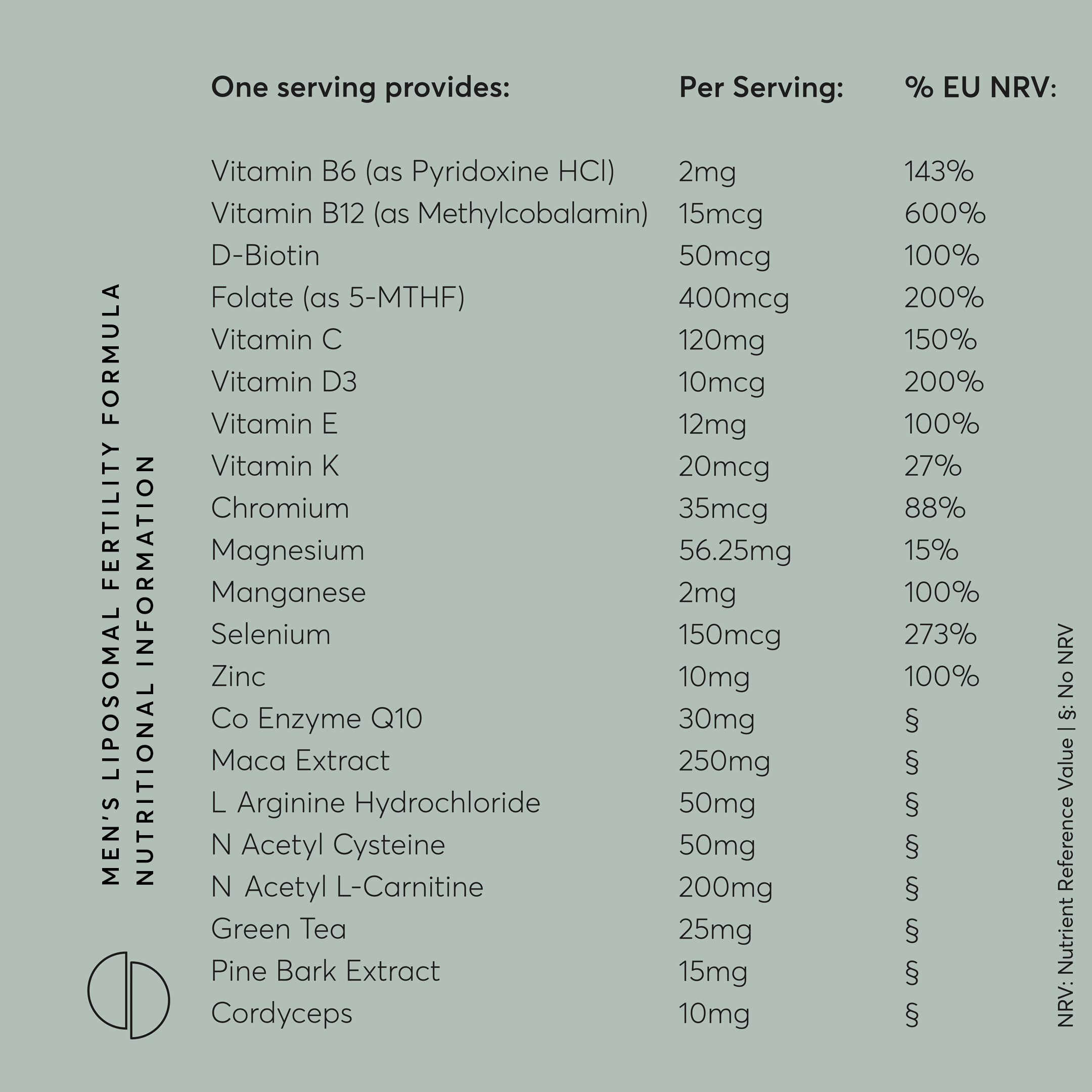
Naître’s Liposomal PCOS Support Formula has been developed as targeted, optional support for women with PCOS, particularly those looking for support with hormonal and metabolic balance, healthy cycles and pre-conception wellbeing. It includes 2,000mg myo-inositol and 50mg D-chiro-inositol in a 40:1 ratio, alongside supportive co-factors including folate, magnesium, chromium, zinc, NAC, vitamin C and vitamin B12.
These nutrients have been chosen to support areas that matter in PCOS, including:
- Hormonal and metabolic balance
- Healthy cycles and ovulatory health
- Normal blood glucose metabolism
- Energy, methylation and everyday wellbeing
- Daily consistency through a convenient sachet format
It is important to be clear: supplements are not a replacement for medical advice, diagnosis or treatment. If you are under medical supervision, taking medication, managing symptoms, or unsure whether a supplement is suitable for you, speak with a healthcare professional.
Naître’s PCOS Support Formula is suitable while trying to conceive, but once pregnancy is confirmed it should be discontinued and you should move to a dedicated pregnancy formula.
A simple day of PCOS blood sugar support
This is not a strict meal plan. It is an example of what steadier blood sugar support can look like in real life.
Morning
Greek yoghurt with berries, chia seeds and almond butter
or
Eggs with spinach, avocado and wholegrain toast
Take your daily supplement at the same time each morning if that helps you remember.
Mid-morning
If hungry: apple with peanut butter
or
A boiled egg and a few oatcakes
Lunch
Chicken, tofu or chickpea salad with quinoa, olive oil dressing and plenty of vegetables
or
Lentil soup with rye bread and a side salad
Afternoon
If cravings usually hit here, plan ahead.
Try Greek yoghurt, nuts, hummus with vegetables, or a protein smoothie.
Dinner
Salmon, tofu or turkey with roasted vegetables and sweet potato
or
Bean chilli with avocado, brown rice and greens
Evening
If you want something sweet, have it without guilt. You may find it lands better after a balanced meal than on an empty stomach.
Small choices count – especially when they are simple enough to repeat.
Five small changes to try this week
You do not need to overhaul everything.
Choose one or two of these:
- Add protein to breakfast every day for a week.
- Take a 10-minute walk after one meal.
- Add fibre to lunch: beans, lentils, seeds or extra vegetables.
- Swap a solo carbohydrate snack for a paired snack, like fruit with nuts.
- Take your supplement at the same time each day to build consistency.
Small changes count. Especially when they are repeatable.
When to ask for more support
PCOS deserves proper care. If your cycles are very irregular, you are trying to conceive, you have symptoms that are worsening, or you are concerned about blood sugar, insulin resistance or metabolic health, speak with your GP or specialist.
You may want to ask about:
- Blood glucose testing
- HbA1c
- Lipid profile
- Blood pressure
- Ovulation support if TTC
- Medication options if appropriate
- Referral to a dietitian or fertility specialist
The NHS notes that PCOS symptoms can be managed with lifestyle changes, medicines and, in some fertility cases, further treatment options.
The takeaway
Blood sugar support is not about controlling every bite of food. It is about helping your body feel safer, steadier and better nourished.
For PCOS, that daily rhythm can make a real difference.
A protein-rich breakfast. A balanced plate. A walk after dinner. A supplement routine you can stick to. A kinder way of responding to cravings. A little more sleep. A little less blame.
None of these things need to be perfect to be powerful.
Your body is not failing you. It may simply be asking for steadier support.
And that can begin today.