

When you have PCOS, food advice can become very loud.
Try keto.
Avoid gluten.
Cut dairy.
Eat low-carb.
Fast until lunch.
Never skip breakfast.
Avoid sugar completely.
Eat more protein.
Eat fewer calories.
Eat more plants.
Do everything perfectly.
It is no wonder so many women with PCOS feel overwhelmed.
And when inflammation enters the conversation, it can start to sound even more complicated. Suddenly, foods are described as “good” or “bad”, “clean” or “toxic”, “healing” or “harmful”. That kind of language can make eating feel stressful, which is the opposite of what supportive nutrition should do.
This article is a calmer way in.
Anti-inflammatory nutrition for PCOS is not about cutting out every food you enjoy. It is not about following a perfect plan. It is about building meals that give your body more of what it needs: fibre, colour, healthy fats, protein, minerals, antioxidants and steady energy.
Small choices can support the bigger picture.
And the best place to begin is not with restriction. It is with addition.
Why inflammation is often discussed in PCOS
PCOS is a complex condition with reproductive, metabolic and psychological features. It can affect cycles, ovulation, skin, hair growth, weight, blood sugar, mood and long-term metabolic health. International evidence-based guidance recognises lifestyle management, including diet and physical activity, as a core part of PCOS care.
Inflammation is often discussed because many women with PCOS also experience metabolic changes, including insulin resistance. Insulin resistance can influence blood sugar, cravings, energy and hormone balance. NICE advises that women with PCOS should be informed about longer-term risks such as type 2 diabetes and cardiovascular disease, and encouraged towards healthy lifestyle and optimal weight management where appropriate.
That does not mean inflammation is the whole story.
It also does not mean you have done something wrong.
Inflammation is part of normal immune function. Your body uses it to respond, repair and protect. The concern is when inflammatory signals are more persistent or are happening alongside metabolic stress, poor sleep, high stress, nutrient gaps or blood sugar instability.
Nutrition can help support the environment your body is working in.
Not by “detoxing”.
Not by punishing you.
Not by removing joy from food.
But by adding more protective, steadying, nourishing foods into your everyday rhythm.
Inflammation is not a reason to fear food. It is a reason to nourish your body more consistently.
Anti-inflammatory nutrition is a pattern, not a perfect plate
One meal does not make or break your PCOS.
One biscuit does not cause inflammation.
One salad does not solve it.
One takeaway does not undo your progress.
What matters most is your usual pattern.
An anti-inflammatory pattern tends to include:
- Plenty of colourful plants
- Fibre-rich carbohydrates
- Protein at meals
- Healthy fats, especially omega-3 sources
- Herbs and spices
- Nuts and seeds
- Beans and pulses
- Oily fish or plant-based omega-3 options
- Fewer highly processed foods as the everyday default
- Less reliance on refined sugar and quick-release carbohydrates
This does not have to look like a strict diet. In fact, the British Dietetic Association suggests focusing on foods you can include in your diet, rather than only what to restrict, and recommends regular balanced meals with high-fibre, low-GI carbohydrates, protein and healthy fats for PCOS.
That “include more” mindset matters.
Because when you live with PCOS, you may already feel like your body comes with too many rules. Food should not become another place where you feel like you are failing.
What an anti-inflammatory plate looks like
A helpful anti-inflammatory plate is not complicated.
Think of it as four parts:
Protein + plants + slow carbohydrates + healthy fats
That might look like:
- Salmon, roasted vegetables, lentils and olive oil dressing
- Tofu, stir-fried greens, brown rice and sesame seeds
- Chicken, quinoa, avocado and colourful salad
- Chickpea curry with spinach and brown rice
- Eggs, mushrooms, tomatoes, rye toast and avocado
- Greek yoghurt, berries, chia seeds and walnuts
- Bean chilli with peppers, tomatoes, herbs and guacamole
The goal is to bring together foods that help your body feel steady.
Protein
Protein helps support fullness, energy and blood sugar balance.
Good options include:
- Eggs
- Fish
- Chicken
- Turkey
- Greek yoghurt
- Cottage cheese
- Tofu
- Tempeh
- Lentils
- Beans
- Chickpeas
- Nuts and seeds
Plants
Plants bring fibre, antioxidants, polyphenols and minerals.
Try to include:
- Leafy greens
- Berries
- Peppers
- Tomatoes
- Broccoli
- Courgette
- Aubergine
- Carrots
- Beetroot
- Red cabbage
- Herbs
- Beans and pulses
Slow carbohydrates
Carbohydrates do not need to disappear. The type and pairing matter.
Helpful options include:
- Oats
- Lentils
- Chickpeas
- Beans
- Quinoa
- Sweet potato
- Brown rice
- Buckwheat
- Rye bread
- Wholegrain bread
- Barley
Low-GI, higher-fibre carbohydrates can be useful in PCOS because they tend to raise blood sugar more gradually. The BDA notes that low-GI foods can help blood glucose rise more slowly and may support insulin levels and insulin resistance in PCOS.
Healthy fats
Healthy fats help with satisfaction and are an important part of an anti-inflammatory pattern.
Try:
- Olive oil
- Avocado
- Nuts
- Seeds
- Tahini
- Oily fish
- Chia seeds
- Flaxseed
- Walnuts
The plate does not have to be perfect. It just needs to be supportive enough, often enough.
More is not always better. In PCOS support, the right balance can matter as much as the dose.
Omega-3 rich foods: small additions with a useful role
Omega-3 fats are often discussed in PCOS because of their relationship with inflammation, metabolic health and heart health.
The BDA recommends including oily fish and plant-based sources of omega-3 fatty acids such as seaweed, algae, chia seeds, flaxseeds and walnuts as part of a PCOS-supportive diet.
Food sources include:
- Salmon
- Sardines
- Mackerel
- Trout
- Anchovies
- Chia seeds
- Ground flaxseed
- Walnuts
- Hemp seeds
- Algae-based omega-3 sources
If you eat fish, oily fish once or twice a week can be a helpful place to start. If you do not eat fish, adding ground flaxseed, chia seeds or walnuts regularly is a simple plant-based option.
Easy ways to add omega-3 foods:
- Chia seeds in yoghurt
- Ground flaxseed in porridge
- Walnuts on a salad
- Sardines on rye toast
- Salmon with roasted vegetables
- Hemp seeds sprinkled over soup
- Algae oil supplement if advised by a professional
Again, this is not about one food being magic. It is about gradually increasing supportive foods in your usual pattern.
Colourful plants: why variety matters
Colour is one of the simplest ways to think about anti-inflammatory nutrition.
Different plant colours often reflect different beneficial compounds. You do not need to remember the names. You just need variety.
Try adding:
Deep reds and purples
Berries, beetroot, red cabbage, red onions, grapes, cherries.
Orange and yellow
Carrots, peppers, squash, sweet potato, citrus.
Greens
Spinach, rocket, broccoli, kale, courgette, herbs.
Whites and browns
Garlic, onions, mushrooms, oats, beans, lentils.
A realistic goal is not “eat every colour every day.” It might be:
- Add one extra colour to lunch
- Keep frozen berries in the freezer
- Add spinach to eggs
- Add herbs to dinner
- Add roasted vegetables to leftovers
- Add beans to soup or pasta sauce
Small additions can add up quickly.
A bowl of pasta with tomato sauce becomes more supportive with lentils, spinach, olive oil and basil.
Toast becomes more supportive with eggs, avocado and tomatoes.
A snack becomes more supportive when fruit is paired with nuts or yoghurt.
This is the heart of anti-inflammatory nutrition: keep the food, add the support.
Herbs and spices: small but powerful additions
I
Herbs and spices are an easy way to add flavour and plant compounds without making meals complicated.
Try using:
- Turmeric
- Ginger
- Cinnamon
- Garlic
- Rosemary
- Thyme
- Oregano
- Basil
- Parsley
- Coriander
- Cumin
- Paprika
- Black pepper
Some simple ideas:
- Cinnamon in porridge or yoghurt
- Turmeric and black pepper in scrambled eggs or tofu
- Ginger in stir-fries
- Garlic and oregano in tomato sauces
- Parsley and lemon over fish
- Cumin and paprika in bean chilli
- Basil with tomatoes and olive oil
This is not about turning every meal into a supplement. It is about making supportive food taste good.
Because if it does not taste good, it is much harder to repeat.
Why restriction can backfire
Many women with PCOS have been told to cut things out.
Cut carbs.
Cut sugar.
Cut dairy.
Cut gluten.
Cut calories.
Cut snacks.
Cut joy.
Sometimes, a specific dietary change may be useful for a specific person. For example, someone with coeliac disease needs to avoid gluten. Someone with lactose intolerance may feel better reducing certain dairy foods. Someone with a clear medical reason may need personalised advice.
But broad restriction for everyone with PCOS is not always helpful.
It can backfire in several ways.
It can increase cravings
When you remove too much, especially carbohydrates or calories, your body may push back with stronger hunger and cravings. Cravings are not always a lack of willpower. They can be a sign that your body is under-fuelled or your meals are not satisfying enough.
It can make eating stressful
Stress matters. If every meal feels like a test, food stops being nourishment and becomes another source of pressure.
It can reduce dietary variety
Cutting out whole food groups without a medical reason can make it harder to get enough fibre, calcium, iron, B vitamins, iodine or other nutrients.
It can be hard to maintain
The most useful nutrition plan is the one you can live with. If a plan only works for two weeks and leaves you exhausted, it is probably not the right foundation.
It can disconnect you from your body
PCOS already makes many women feel as though their body is unpredictable. Over-restriction can make that relationship even more tense.
A kinder question is:
What can I add to make this meal more supportive?
Not: “How can I make this meal smaller?”
Not: “How can I make this meal perfect?”
Not: “How can I prove I have enough discipline?”
Add protein.
Add fibre.
Add colour.
Add healthy fats.
Add flavour.
Add steadiness.
That is often where real progress begins.
The question is not always ‘what should I cut out?’ Sometimes the better question is ‘what can I add?
Foods to add more often
Here is a simple “add more” list for PCOS-friendly, anti-inflammatory nutrition.
Add more protein
- Eggs
- Greek yoghurt
- Tofu
- Tempeh
- Chicken
- Fish
- Beans
- Lentils
- Chickpeas
- Cottage cheese
- Nuts and seeds
Add more fibre
- Oats
- Beans
- Lentils
- Chickpeas
- Berries
- Apples
- Pears
- Vegetables
- Seeds
- Wholegrains
Add more healthy fats
- Olive oil
- Avocado
- Walnuts
- Chia seeds
- Flaxseed
- Tahini
- Oily fish
- Hemp seeds
Add more colour
- Spinach
- Broccoli
- Peppers
- Tomatoes
- Red cabbage
- Berries
- Beetroot
- Carrots
- Herbs
Add more flavour
- Garlic
- Ginger
- Turmeric
- Cinnamon
- Cumin
- Paprika
- Basil
- Parsley
- Lemon
- Black pepper
This is not a rulebook. It is a menu of possibilities.
A realistic 3-day “add more” food list
This is not a strict meal plan. It is a simple example of how to add supportive foods without overhauling your life.
Day 1
Breakfast
Greek yoghurt with berries, chia seeds, cinnamon and almond butter.
Add more: protein, fibre, omega-3 from chia, antioxidants from berries.
Lunch
Lentil soup with olive oil, spinach stirred through and rye bread.
Add more: fibre, plant protein, greens, slow-release carbohydrate.
Snack
Apple slices with peanut butter.
Add more: fibre, healthy fats, satisfaction.
Dinner
Salmon with roasted sweet potato, broccoli and lemony olive oil dressing.
Add more: omega-3, colour, fibre, healthy fats.
Day 2
Breakfast
Eggs with mushrooms, tomatoes, avocado and wholegrain toast.
Add more: protein, healthy fats, plants, slow carbohydrates.
Lunch
Chickpea and quinoa salad with peppers, cucumber, herbs, olive oil and pumpkin seeds.
Add more: fibre, plant protein, minerals, colour.
Snack
Carrot sticks with hummus.
Add more: fibre, protein, healthy fats.
Dinner
Turkey or tofu chilli with beans, tomatoes, peppers, cumin, paprika and brown rice.
Add more: protein, beans, spices, slow-release carbohydrates.
Day 3
Breakfast
Protein oats with ground flaxseed, berries, cinnamon and walnuts.
Add more: fibre, omega-3 rich seeds, protein, antioxidants.
Lunch
Rye toast with smashed avocado, boiled eggs and tomatoes.
Add more: protein, healthy fats, colour.
Snack
Greek yoghurt or a dairy-free high-protein yoghurt with seeds.
Add more: protein, minerals, healthy fats.
Dinner
Chicken, tofu or prawn stir-fry with ginger, garlic, mixed vegetables, sesame seeds and noodles or brown rice.
Add more: protein, plants, flavour, fibre.
What about gluten and dairy?
This is one of the most common PCOS nutrition questions.
Some women feel better reducing gluten or dairy. Others do not notice any benefit. Some may need to avoid them for medical reasons, such as coeliac disease or allergy.
But there is no single rule that every woman with PCOS must cut out gluten or dairy.
If you suspect a food is affecting your symptoms, it is worth speaking with a dietitian or healthcare professional before removing major food groups long term. This is especially important if you are trying to conceive, pregnant, breastfeeding, or already feeling restricted around food.
A balanced approach might be:
- Choose mostly wholegrain, fibre-rich carbohydrates
- Choose fermented dairy like Greek yoghurt or kefir if tolerated
- Use high-protein dairy or dairy alternatives
- Notice your own symptoms
- Avoid unnecessary restriction without a clear reason
The aim is to build a pattern that supports you, not one that makes your life smaller.
Where supplements fit in
Supplements can sit alongside a supportive food pattern, but they do not replace it.
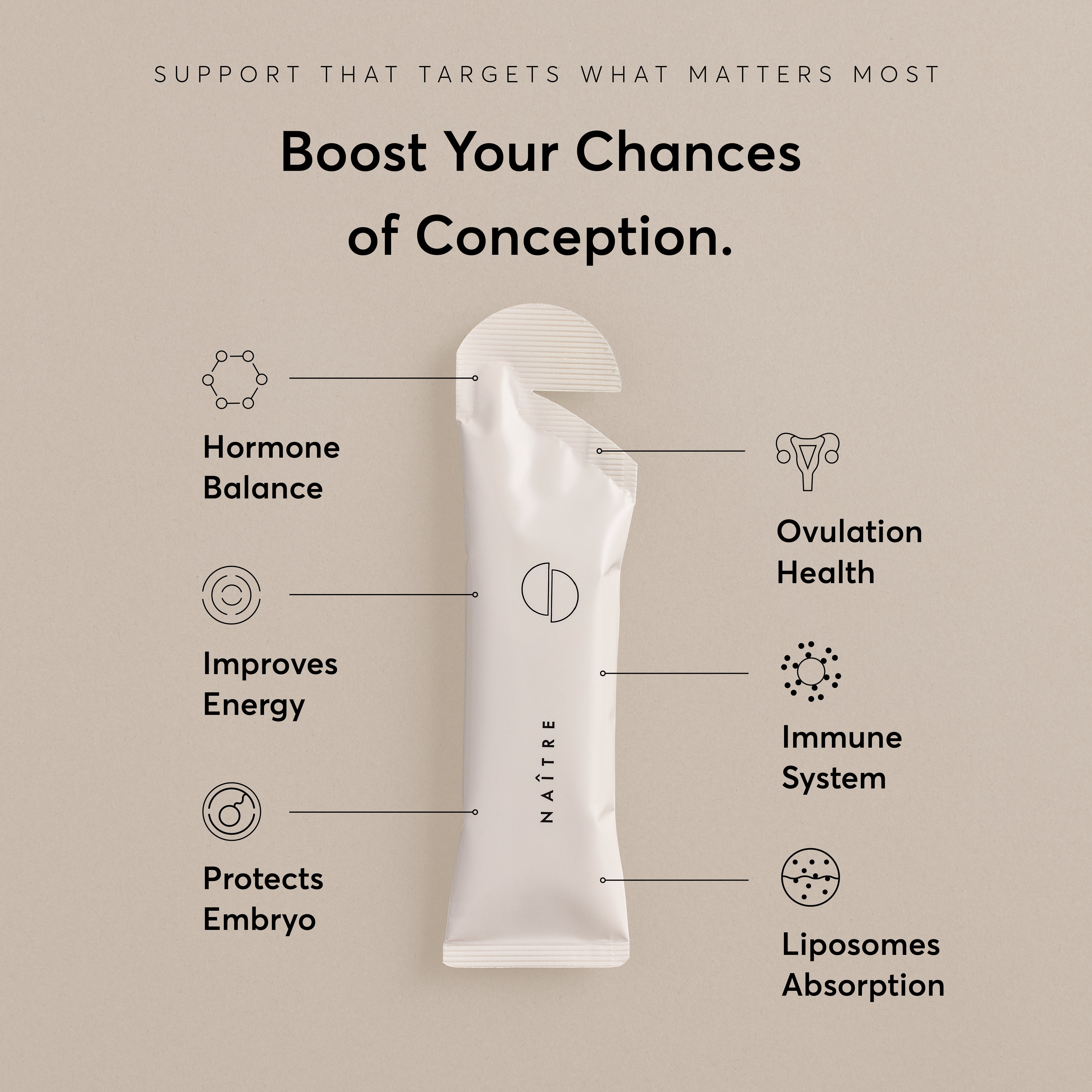
Naître’s PCOS Support Formula is designed as targeted, optional support for women with PCOS, especially those looking to support hormonal and metabolic balance, healthy cycles and pre-conception wellbeing. It contains myo-inositol and D-chiro-inositol in a 40:1 ratio, alongside co-factors including NAC, folate, chromium, zinc, magnesium, vitamin C and B12.
Think of it as one part of the wider picture.
Food gives your body daily nourishment.
Movement supports insulin sensitivity and mood.
Sleep and stress care support resilience.
Supplements can help provide targeted nutritional support.
Medical care gives you personalised guidance when needed.
No single part has to carry everything.
Naître’s PCOS Support Formula is suitable while trying to conceive, but once pregnancy is confirmed it should be discontinued and you should move to a dedicated pregnancy formula.
A gentler way to measure progress
With PCOS, progress can be slow and sometimes uneven.
Rather than only measuring weight or cycle length, you might also notice:
- More stable energy
- Fewer intense cravings
- Better digestion
- More satisfying meals
- Less anxiety around food
- More consistent routines
- Better sleep
- Feeling more nourished
- Feeling less “all or nothing”
These things matter.
They are signs that your daily foundations may be becoming more supportive, even if the bigger changes take longer.
The takeaway
Anti-inflammatory nutrition for PCOS does not need to be extreme.
It does not need to be joyless.
It does not need to start with cutting everything out.
Start by adding.
Add colour.
Add protein.
Add fibre.
Add omega-3 rich foods.
Add herbs and spices.
Add meals that keep your energy steadier.
Add support that feels realistic enough to repeat.
PCOS nutrition is not about finding the perfect diet.
It is about building a way of eating that helps your body feel supported, one small choice at a time.
PCOS nutrition is not about the perfect diet. It is about small choices that are realistic enough to repeat.