

Endometritis is one of those conditions that can sit quietly in the background — often overlooked, sometimes misunderstood, and yet potentially significant, especially when you’re trying to conceive.
It’s also easy to confuse with endometriosis (they sound similar, but they’re very different). Endometriosis involves tissue similar to the uterine lining growing outside the uterus. Endometritis, on the other hand, refers to inflammation within the uterine lining itself.
In this guide, we’ll explain what endometritis is, what “chronic endometritis” means in fertility conversations, how it’s typically diagnosed and treated, and why it can be missed for so long — all in a way that feels clear, calm and genuinely helpful.
What is endometritis?
Endometritis is inflammation of the endometrium — the lining of the uterus. The endometrium plays a central role in reproduction: it thickens each month in preparation for a possible pregnancy, and it is where an embryo needs to implant.
In many cases, endometritis is linked to infection. Sometimes it’s acute and obvious (for example, associated with fever, pain or significant symptoms). More often in fertility settings, however, the conversation is about chronic endometritis — a persistent, low-grade inflammation that may have subtle symptoms, or none at all.
Chronic endometritis is often quiet. It doesn’t always announce itself — which is exactly why it can be missed.
Acute vs chronic endometritis: what’s the difference?
Acute endometritis usually develops suddenly, often following childbirth, miscarriage, uterine procedures, or pelvic infection. It tends to come with clearer symptoms and is treated promptly.
Chronic endometritis is different. It’s typically lower-grade and persistent, and it can exist without dramatic symptoms. Some people experience irregular bleeding, spotting, pelvic discomfort or changes in discharge — but others feel completely normal.
This is why someone can move through months (or years) of fertility investigations and still not have it identified unless it’s specifically tested for.
Why the uterine lining matters for fertility
When we talk about fertility, a lot of focus goes to hormones, egg quality and ovulation timing. But implantation requires a receptive endometrium — a uterine lining that is prepared, well-supported and in balance.
If the endometrium is inflamed, it may be less receptive. The science here is nuanced (and every individual is different), but broadly, persistent inflammation can interfere with the delicate signalling involved in implantation and early pregnancy support.
This is one reason chronic endometritis is often discussed in the context of repeated implantation failure, recurrent miscarriage, or long periods of “unexplained infertility” — particularly when everything else appears normal.
What causes chronic endometritis?
Chronic endometritis is commonly associated with a low-grade infection within the uterus. That can sound alarming, but it’s important to remember that “infection” doesn’t always mean obvious symptoms. In some cases, it’s linked to bacteria that have quietly persisted over time.
Potential associations can include prior miscarriage, retained tissue after pregnancy events, pelvic inflammatory disease, untreated bacterial imbalance, or uterine procedures. Sometimes, no clear cause is identified — and that uncertainty can be part of the frustration for patients.
If you’ve ever felt like you’ve been given a label without a clear explanation — “unexplained” — this is one of the conditions worth asking about.
Symptoms: what might you notice?
Chronic endometritis doesn’t always come with clear symptoms. But when symptoms do show up, they can look like things many people have been told to “put up with” — or things that get attributed to stress or hormonal fluctuations.
Some people report persistent spotting, bleeding between periods, changes in discharge, pelvic discomfort, pain during sex, or a general sense that something is “off.” Others have no symptoms at all and only discover chronic endometritis during more in-depth fertility investigation.
The absence of symptoms is exactly why it’s worth being informed. This is not about assuming the worst — it’s about being equipped with the right questions.
How is chronic endometritis diagnosed?
Chronic endometritis usually isn’t diagnosed through routine scans or standard blood tests. It typically requires a closer look at the uterine lining itself.
In many cases, diagnosis involves an endometrial biopsy (a small sample of the uterine lining), sometimes alongside a hysteroscopy (a procedure where a small camera is used to examine the uterus). The sample is then assessed in a lab for signs of chronic inflammation.
Because this testing is not always included in early-stage fertility workups, it can be missed — especially for those who are told their fertility is “unexplained.”
If you’ve been told “everything looks fine” but you still feel there’s more to explore, it’s okay to ask for deeper investigation.
Can chronic endometritis affect implantation or miscarriage risk?
You’ll often see chronic endometritis discussed in fertility circles because the uterine lining is central to implantation. A persistent inflammatory environment may reduce receptivity for some people, and research has explored links with repeated implantation failure and recurrent pregnancy loss.
That said, it’s important to hold this information gently. Fertility is rarely one-dimensional. Chronic endometritis can be one factor in a larger picture, and many people with this diagnosis go on to conceive and carry healthy pregnancies — particularly when it’s identified and treated.
The most useful takeaway isn’t fear. It’s clarity: this is a potentially modifiable factor, and it’s worth knowing it exists.
Treatment: what happens next?
Treatment for chronic endometritis is typically guided by a clinician and often involves a course of antibiotics. In some cases, follow-up testing may be recommended to confirm that the inflammation has resolved.
If you’re in active fertility treatment, your care team may also consider timing — when to treat, when to retest, and how to plan next steps around your cycle or treatment schedule.
If you suspect chronic endometritis could be relevant to you, the best step is to discuss it with a fertility specialist or gynaecologist who can advise based on your history and symptoms.
Supporting your body alongside medical care
Chronic endometritis requires medical assessment and treatment — and it’s important to be clear about that. Supplements do not treat infections, and nutrition should never be positioned as a replacement for clinical care.
But many people find it empowering to support their bodies in parallel — especially when they’ve been navigating uncertainty for a long time. That might include focusing on nutrient adequacy, supporting overall immune function, and reducing inflammatory load through lifestyle choices that are sustainable rather than extreme.
This is where a foundational approach to nutrition can feel reassuring: not because it promises a “quick fix,” but because it helps you feel supported, steady and consistent while medical factors are being addressed.
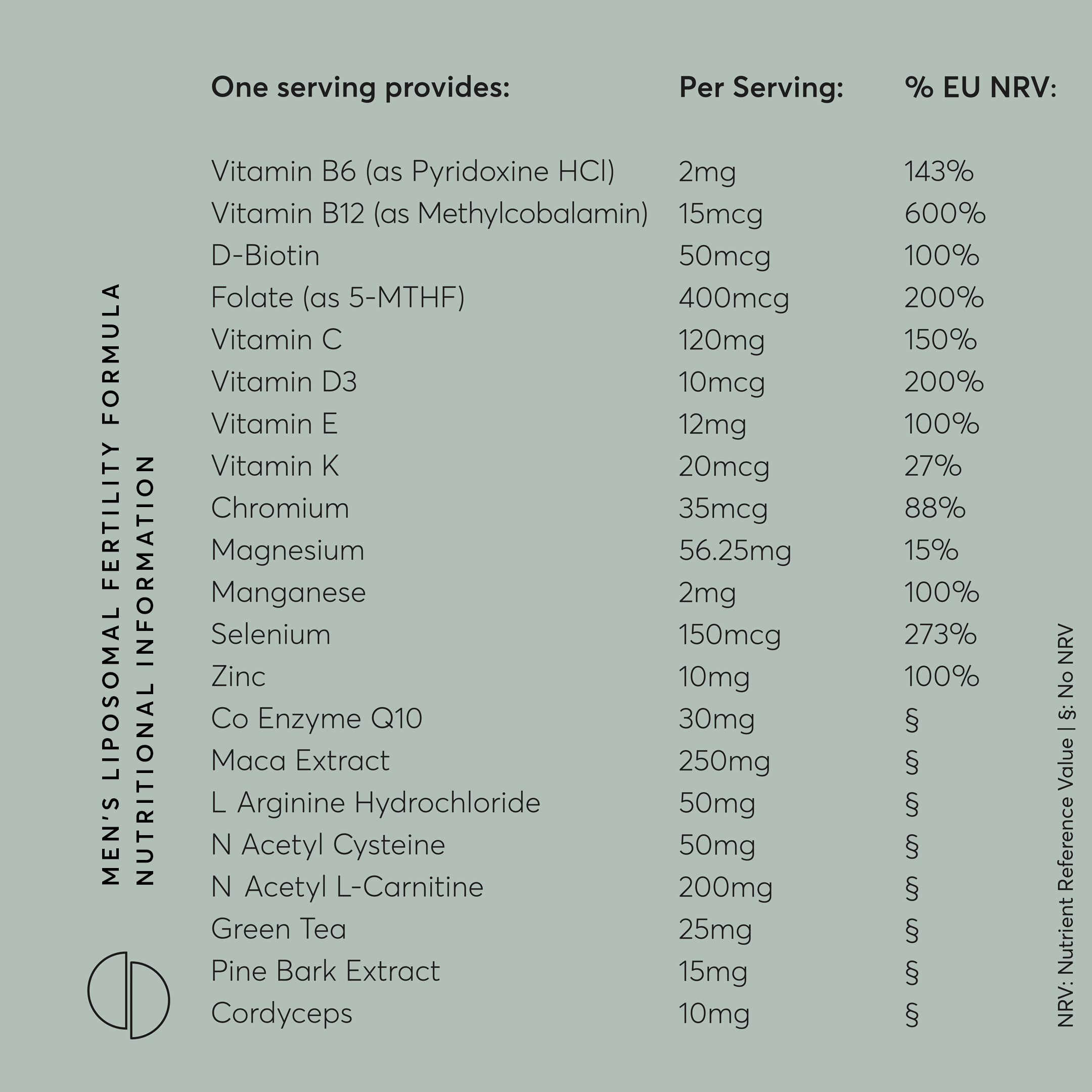
At Naître, we talk often about layered support — medical clarity where needed, plus advanced nutritional foundations that help the body do what it’s designed to do. Our liposomal approach is designed around bioavailability, because when you’re taking something consistently, absorption matters.
If you’re reading this because chronic endometritis has been mentioned in your journey — or because you’ve been searching for answers — we see you. You deserve information that is calm, clear and practical, and you deserve care that takes your questions seriously.
Questions you can take to your clinician
If you’re considering whether chronic endometritis could be relevant for you, it may help to ask a few direct questions during your appointment. For example: whether it’s part of their standard investigation pathway, what testing they offer, and whether your history suggests it’s something worth ruling out.
You don’t need to arrive with perfect medical language. You simply need permission to ask. Many people find that writing questions down beforehand helps — especially when appointments feel rushed or emotionally loaded.
A final word
If you’ve been told your fertility is “unexplained,” it can feel like a door closing. But chronic endometritis is a reminder that sometimes, it’s simply a door that hasn’t been opened yet.
The aim of learning about this condition isn’t to self-diagnose. It’s to feel informed — and to know what’s possible to explore. For some people, deeper investigation brings clarity. For others, it brings reassurance. Both outcomes matter.
Whatever stage you’re at, you’re allowed to ask for answers that feel complete — and support that feels steady. Because every beginning deserves both science and care.